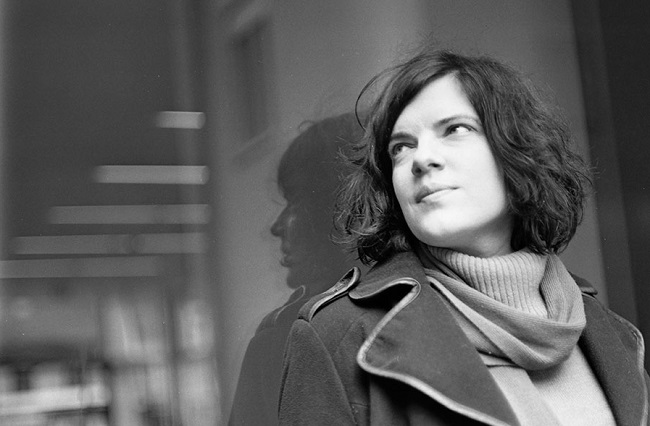
Ivana Sajko to participate in the opening ceremony of Frankfurt Book Fair 2018

Ivana Sajko, together with her translator Alida Bremer, won the prestigious German international literary award – 10. Internationaler Literaturpreis – for the German edition of her novel Liebesroman.
 
Another outstanding recognition for Ivana Sajko is the invitation to take part, along with the German President Frank-Walter Steinmeier and the Flemish author Stefan Hertmans, in the Frankfurt Book Fair Opening Ceremony, which will take place on Wednesday, 10th October 2018. The three guests will participate in a discussion on contemporary issues, and the question of how to defend freedom in times of turmoil.


Neva Lukić

Neva Lukić (Zagreb, 1982) has completed her master's degree in art history and archaeology at the University of Zagreb, and in theory of modern and contemporary art at Leiden University. She is active as a freelance author, arts critic, creative writing workshop teacher and curator. Her published titles include short story collections, poetry collections and a picture book for children. She combines writing with other artistic expressions with the aim to create interdisciplinary artworks close to literary performance and film (for example, short film "The Motel in the Well", with Sara Rajaei, 2016).

Her poems and short stories have been published in various magazines, on-line magazines, journals and collections (Zarez, Fantom Slobode, Poezija, Treći trg, Libartes, Blesok, Forgetting – Brumaria works # 9,  etc.) and have been aired on radio and TV. She has participated in poetry readings/literary festivals (Snap up Poetry - Belgrade, Stih u regiji - Zagreb, Astralna projekcija - Skopje, Slovenski knjižni sejem - Ljubljana, etc.), and also in film festivals (Nemaf film festival- Seoul, Festival de Cannes - SFC, Nederlands film festival- Utrecht). The collection of poems "Haljina obscura" has received the prize Zdravko Pucak for young poets by Central Croatian Cultural Society (2010).

Her poems and stories have been translated into Macedonian, Slovenian, English and Farsi.


Nada Gašić-kontakti

FOREIGN RIGHTS:

nada.gasic1@zg.t-com.hr
Algoritam d.o.o
kruno.lokotar@algoritam.hr
www.algoritam.hr


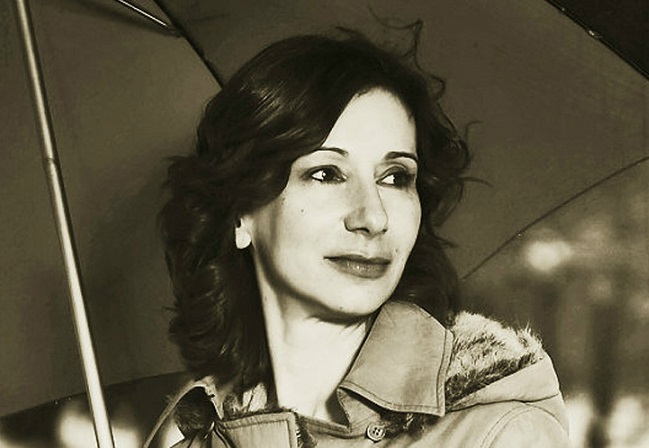
Suzana Matić

Suzana Matić (Mainz, 1970) graduated from the Faculty of Architecture and Design, University of Zagreb. Matić has had short stories published by magazines and newspapers Večernji list, Zbornik trećeg programa, Književna republika, Fantom slobode and Zbornik gornjogradskog književnog oglasnika, while her poetry has been published in literary magazines Poezija, Artikulacije and Zarez. Her works are frequently read on the culture-oriented channel of the Croatian Radiotelevision.

Suzana Matić was a finalist for various national and international literary awards: the international short story award Karver, awarded by the Vranac festival in 2015 in Podgorica, Montenegro; the Lapis Histriae short story contest (2017); the Croatian Festival of European Short Story Award (2017, 2018); the Zlatko Tomic short story contest (2017) and others.

Her short stories have been translated into English and published in Relations and Underpass. Her poems have been translated into English and Romanian, and published in the Romanian literary magazine Orizont literar contemporan.


Neva Lukić-works/transl

MAIN WORKS

People without a park (Ljudi bez parka, Knjigomat, 2009.), short story collection
The Dress Obscura (Haljina Obscura, Central Croatian Cultural and Publishing Society, 2011), poetry collection
Shadows of Seeds (Sjene sjemenki, HDP, 2015), poetry collection
Endless Endings (More i zaustavljene priče, HDP, 2016), short story collection
Blade of Grass over Clouds (Travka preko oblaka, Semafora, 2018), picture book
Goosebumps (Ježenja, Fraktura, 2020), poetry collection 


TRANSLATIONS

Endless Endings (in original: More i zaustavljene priče), Bokeh, Leiden, Netherlands, 2018
More i zaustavljene priče, Treći trg, Belgrade, Serbia, 2018


Damir Karakaš-sample translation

Damir Karakaš: Die Erinnerung an den Wald
(Zagreb, Sandorf 2017)

Das Mittagessen

Seitdem Großvater gestorben ist, habe ich seinen Platz am Tisch bekommen, sodass ich jetzt dem Vater gegenüber sitze; zu Mittag essen wir Schweinefleisch, Kartoffeln und grünen Salat. Vater kaut und achtet mit einem Auge darauf, dass ich die Gabel nicht fallen lasse; er pflegt mir deswegen mit seiner Gabel eins auf die Finger zu hauen; während er isst, sagt mir sein Auge ständig: „Pass auf!“ Die Schwester hat vor Kurzem ihre Gabel auf den Boden fallen lassen, aber er hat zu ihr nur gesagt, dass sie langsamer essen sollte. Ich esse langsam, ich kaue und schaue auf den Teller vor mir; die Schwester schafft es nicht, ein Stück Kartoffel mit der Gabel aufzuspießen; ihre Zähne sind beschädigt; sie sind noch schwärzer, wenn die glänzende Gabel in ihrer Nähe ist. Vater hat ein Stück Fleisch noch nicht ganz geschluckt, und schon trinkt er geräuschvoll Wasser; am Rand seines Glases bleibt ein fettiger Abdruck; Großmutter bewegt den Mund und schaut vertieft auf den Teller; wenn wir so alle zusammen am Tisch sind, spricht sie selten. Sobald sie dazu ansetzt, sagt Mutter‘: „Seid doch still, wenigstens solange wir essen.“ Sie rächt sich an ihr, weil Großmutter das meiner Mutter immer wieder angetan hat, als sie gerade meinen Vater geheiratet hatte. Vater tut meistens so, als würde er das nicht sehen und nicht hören, aber manchmal sagt er: „Genug!“ Gestern stellte ich mich auch auf Großmutters Seite, unterbrach Mutter und sagte ihr, dass sie meine Cordhose waschen sollte. Mutter hielt inne, sah Großmutter an und sagte: „Ich habe keine zehn Hände.“ Vater sagte nichts, er besah nur die morschen Deckenbalken über seinem Kopf. Dann sagte er zwischen zwei Bissen: „Im neuen Haus wird uns der Staub nicht mehr in den Mund fallen.“ Die Schwester ließ wieder ihre Gabel aus der Hand fallen, diesmal auf den Tisch; wir essen und schweigen; draußen bellt Medo. Er weiß, dass er nach dem Mittagessen seine Mahlzeit bekommt. Vater steht plötzlich auf und schreit durch das geschlossene Fenster: „Willst du, dass ich zu dir komme?!“ Das Gebell hört auf, Vater setzt sich und sagt zu sich selbst in den fettigen Bart: „Ich werde dich die Vernunft lehren!“ Ich fahre zusammen, weil mir scheint, dass er diese Worte an mich gerichtet hat; ich nehme ein weiteres Stück Fleisch aus der Schüssel, ich versuche, möglichst viel zu essen, um mein Gewicht etwas aufzubessern; ich bin dünn, ich wachse, sodass ich jeden Tag noch dünner werde. Vater sagt: „Wenn du dir das Essen hinter den Rücken schmeißen würdest, wärst du dicker.“ Großmutter sagt: „Er wird dicker werden, wenn er in die Armee kommt, da werden alle kräftiger und dicker.“ Mutter will etwas sagen, schluckt es aber hinunter, nimmt ein Küchentuch und wischt der Schwester grob den Mund ab. Diese wehrt sich und sagt: „Lass mich, ich bin kein Baby mehr.“ Am Ende des Mittagessens ist das ganze Fleisch aus der Schüssel aufgegessen: nur dickflüssiges Schweineschmalz liegt noch darin. Vater nimmt, wie immer, die Schüssel in beide Hände, steht auf und hebt die Schüssel langsam an den Mund: in zwei Anläufen trinkt er das ganze Schmalz aus; dann wischt er sich mit dem Handrücken den Mund ab und sagt zu mir, ich soll Medo die Knochen bringen, weil er wieder bellt. Ich sammelte die Knochen vom Tisch und warf sie Medo hin, der sie mit seinen kräftigen Zähnen zermalmte, dann ging ich weiter in mein kleines Zimmer: ich hatte noch viel Zeit, deshalb legte ich mich hin und schlief ein. Ich hatte nichts geträumt, es ist auch besser so; letzte Nacht hatte ich einen der hässlichsten Träume: dass ich eine Kuh verloren hatte. Es macht mir Angst, auch nur daran zu denken, was Vater mir antun würde, wenn ich ohne die Kuh nach Hause käme: ich würde gar nicht nach Hause gehen. Mutter kam herein uns sah, wie ich da lag mit dem Gesicht in den Händen, weil mich die Sonne blendete, und fragte mich: „Tut dir etwas weh?“ Ich schüttle kurz den Kopf, stehe auf, gehe in die Küche und stopfe mir Speck, fünf oder sechs Kartoffeln und das Klappmesser in meine Tasche. In einigen Minuten habe ich mich schon zwischen die warmen Rinderkörper gezwängt; ich löse sie von der Kette, dabei achte ich darauf, dass sie mich nicht zerdrücken. Dann laufe ich zu Medo, der vor Freude hüpft und an der Kette zerrt; wegen dieses Zerrens habe ich es gerade noch geschafft, ihn loszubinden. Ich richte die schwer gewordene Tasche an meinem Körper, nehme meine Gerte, die hinter der Stalltür lehnt und treibe die Rinder bergauf. Unterwegs pflücke ich saftige, rote Waldbeeren; nach jeder gegessenen Waldbeere drehe ich mich um: ich sehe nach, ob Pejo und Nenad schon auf dem Weg sind. Mit der Hand erweitere ich noch ein bisschen meinen Horizont: durch den Vorhang aus kleinen, ledrigen Blättern sehe ich nur den Kleinen mit seiner Kuh, deshalb schlage ich mit der Rute fester auf Peronja; wir gehen zuerst über die Lichtung, dann durch gelbe Blumen; nachdem wir uns alle oben auf der Wiese versammelt und ein Feuer angezündet haben, denken wir laut nach, was wir heute spielen könnten. Der Kleine sagt: „Cowboys und Indianer.“ Pejo sagt: „Du bist noch zu klein, um so klugzuscheißen.“ Nenad krempelt sich schon die Ärmel auf, er will, dass wir wie gestern große Steine von der Schulter werfen, ich möchte Wespennester suchen und sie dann im Feuer vernichten. „Lasst uns zuerst eine rauchen“, sagt Pejo, bückt sich und holt aus seiner Socke eine Schachtel Opatija. Darauf verteilt er am Feuer langsam Zigaretten an uns, nur der Kleine mag nicht; wir rauchen und versuchen, Ringe aus Rauch zu bilden; Pejo bläst den Rauch ins Feuer und reicht seine Zigarette an den Kleinen. Dieser mag zuerst nicht, dann nimmt er sie, zieht kräftig daran und bricht in Husten aus, aber so, als würde er ersticken, sodass wir alle am Feuer laut über ihn lachen.

Etwas auf Rädern

Vater sitzt auf einem Baumstumpf; in der Hand hält er einen gelben Zollstock, hinter seinem Ohr steckt ein Zimmermannsbleistift. Er steht auf und geht ums Haus wie ein Schlafwandler; wie ich vom Hörensagen weiß, hat er den Plan, neben dem neuen Haus auch einen Stall zu bauen, sodass die Rinder nicht mehr unter uns leben und scheißen werden. Großmutter gefällt das nicht, sie sagt: „Die Rinder unter den Menschen haben dieses Volk seit Jahrhunderten vor dem Erfrieren gerettet.“ Ich stehe auf, mache einen Schritt bis zur Schultasche, nehme daraus ein Heft und einen Bleistift und kehre wieder zum Stuhl zurück. Großmutter stellt sich auf die Zehenspitzen, dreht mit der Hand an der Glühbirne und macht Licht; Vater sitzt wieder auf diesem einsamen Baumstumpf vor dem Haus: in seinen Händen schläft sein müder Kopf; plötzlich steht er auf und schüttelt dann zuerst das eine, dann das andere eingeschlafene Bein; seine Augen sind wie trübe Glühbirnen. Ich schaue ins leere Heft, wieder stelle ich mir das neue Haus vor: das Dach aus rotem Backstein und den Wetterhahn aus Blech, der sich so dreht, wie es ihm der Wind befiehlt; am meisten freue ich mich auf das neue Haus, weil dieses Knarren aufhören wird; deshalb ziehe ich mir in der Nacht immer die Decke über den Kopf. Ich horche hin, dann stecke ich mir die Finger in die Ohren: die Stimmen klingen durchs Haus hin und her, auch die Finger in den Ohren helfen nichts. Man hört auch ein Stöhnen, ein beschleunigtes Atmen, und das Haus schaukelt, zittert, wie ein Schiff auf Rädern, das über bucklige, abschüssige Wiesen rast. Meine Großmutter steht dann jedes Mal wütend auf, stellt sich mitten ins Zimmer und schreit in die hölzernen Wände: „Was ist das?“ Obwohl ich sehr wohl weiß, dass sie weiß, was das ist, aber sich nicht zu sagen traut. Nach ihrem Herumgeschreie lässt das Knarren etwas nach, es wird stiller: man hört irgendwelche lispelnden Stimmen. Dann hört man nur noch Vaters Heulen, ähnlich wie das von Medo, wenn er gähnt. Im Haus entsteht eine Grabesstille, aber diese Geräusche bleiben mir noch lange in Erinnerung. Am nächsten Morgen überprüfe ich heimlich und aus dem Augenwinkel, als hätte man mich bei etwas Unredlichen erwischt, ob die Mutter einen Bauch bekommen hat. Jetzt frage ich sie: „Wann beginnen die Arbeiten am neuen Haus?“ Sie zuckt nur mit den Schultern. Ich frage sie noch einmal, sie sagt ruhig: „Sie beginnen, wenn sie beginnen.“
Nach einigen Tagen schleppt Vater Betten, Schränke, Tische, Stühle, den Herd und alle anderen Dinge aus dem alten Haus und stellt sie ordentlich auf der Wiese ab. Er führt die Rinder aus dem Stall und bindet sie mit Ketten an die Zwetschkenbäume. Fünfmal wickelt er das Seil um das Haus, als würde er es für immer gefangen nehmen wollen. Danach führt er Lozonja und Peronja im Gespann heran, das Ende des Seils bindet er um das Joch. Einige Zeit steht er nachdenklich neben den Ochsen und wägt mit den Augen das alte Haus ab. Dann klatscht er mit den Handflächen fest auf die Hinterteile der Ochsen und hebt plötzlich die Hände in die Höhe. Es ist, als ob er zum Haus rufen würde: „Ergib dich, du hast keine Chance!“ Das Seil spannt sich an, aber die Ochsen bleiben wie angewurzelt im dünnen Schlamm stecken. Vater holt sie wütend zurück, nimmt die Schaufel und schlägt sie damit fest auf den Rücken. Jetzt spannt sich jeder Muskel am Körper der Ochsen. Vater schlägt wieder auf sie ein und schreit: „Los, ihr Faulpelze!“ Diesmal haben die Ochsen das Haus einfach aus der Erde herausgerissen, das Haus ist auseinandergefallen; an der Stelle, wo es gestanden ist, ist nur ein schwarzes, stinkendes Loch geblieben, wie nach dem Ziehen eines schadhaften Zahnes. „Ich habe nicht einmal gewusst, dass es so verfault war“, sagt Vater und wischt sich die Hände an den Hosenbeinen ab.
Er und die Mutter werden, während an der Stelle des alten Hauses das neue gebaut wird, unter freiem Himmel schlafen, neben den Rindern. Es ist Sommer, sie werden sich zudecken, so wird ihnen nicht kalt. Großmutter und ich werden im Haus von Großvater Joso schlafen; als er noch lebte, hat er oft mich, Pejo und Nenad von seiner Wiese vertrieben; er war alt und langsam, sodass wir es nicht eilig hatten, wegzulaufen. Wir nahmen ruhig unseren Ball, gingen weg und riefen ihm zu: „Gott gebe, dass du krepierst!“ Als er starb, hat seine Tochter, die in der Kleinstadt lebt, Großmutter diesen großen, zylinderförmigen Schlüssel gegeben, damit sie hin und wieder das Haus lüftet. Pejo würde niemals in diesem Haus übernachten, weil seine Großmutter einige Male spät in der Nacht auf dem Dachboden Licht gesehen hat; sie glaubt, dass der selige Großvater Joso dort einkehrt. Ich würde auch niemals alleine dort schlafen, aber mit der Großmutter habe ich keine Angst. In dieser ersten Nacht legten wir uns in ein hölzernes Ehebett; an der verblassen Wand hängt über unseren Köpfen ein Jesus aus Gips, als wäre er mit dieser gelblichen Wand zusammengewachsen; ich liege in der Stille neben der Großmutter, sie beginnt, Vaterunser zu beten: jede Nacht betet sie Vaterunser. Sonntags geht sie zu Fuß nach Letinac, ein größeres Nachbardorf, in dem sich auch unsere Schule befindet, und betet dort in der Kirche; mein Vater und meine Mutter gehen, wie die meisten im Dorf, selten in die Kirche. Vater sagt: „Ich werde hingehen, wenn sie eine in unserem Dorf gebaut haben.“ Mein Großvater ist überhaupt nicht in die Kirche gegangen. Er sagte immer: „Ich habe eine Glatze, in der Kirche ist es kalt, so kann ich mich verkühlen, und es ist nicht vor Gott in Ordnung, dass ich in der Kirche eine Mütze auf dem Kopf trage.“ Ich gehe auch nicht in die Kirche, und auch niemand von meinen Freunden, Großmutter sagt aber, dass ich damit anfangen sollte, und dann auch die Erstkommunion empfangen. Sie bekreuzigte sich noch einmal, deckte mich besser zu und sagte: „Jetzt gehen wir schön schlafen.“ Etwas später waren über unseren Köpfen zuerst leere Geräusche zu hören. Dann ein Knarren. So als wären jetzt Vater und Mutter oben auf dem Dachboden, genau über unseren Köpfen. Ich liege da und schaue nach oben; in einem bestimmten Moment spüre ich die Nähe des Plafonds, und vor Angst krieche ich noch tiefer unter die Decken; ich weiß nicht, warum, aber ich habe das Gefühl, dass ich in der Nacht in diesem Haus sterben werde; einmal trat meine Großmutter morgens auf die Schwelle unseres alten Hauses und beobachtete schwarze, kreischende Vögel: der Himmel war voll davon. Dann ging sie ins Haus zurück und flüsterte Großvater zu: „Die Krähen freuen sich heute auf jemanden.“ Das war am dritten Tag, seitdem ich aus dem Krankenhaus entlassen worden war und ich war sicher, dass diese Krähen wegen mir da waren; jetzt habe ich wieder das Gefühl, dass ich sterben werde, ich wecke Großmutter mit dem Ellenbogen und sage zu ihr: „Etwas ist auf dem Dachboden!“ Sie setzte sich sofort auf; ich dachte, dass sie schreien würde, aber sie horchte weiterhin ruhig im Dunkel hin.

Die Atombombe schläft

Großmutter schaut zu, wie Vater die Fliesen im Klosett verlegt: unten braune, und an die Wände reinweiße. Vater sagt zu ihr: „Geh weg, du stehst mir im Licht.“ Großmutter ging weg, und Vater klebte eine neue braune Fliese und sagte: „Hol mir etwas Schnaps.“ Ich gehe durch den Gang in die Küche, nehme die Flasche und ein dickwandiges Schnapsglas und kehre schnell zurück; er hält ein Auge geschlossen, mit dem anderen schaut er diese Fliesen an. Am Morgen zieht er seinen einzigen Anzug an, einen dunkelbraunen, bindet seine einzige, blaue Krawatte und zieht, so herausgeputzt, mit den Ochsen und dem Wagen in die Kleinstadt los; gegen Mittag bringt er einen Spülkasten, Wasserhähne und ein blechernes türkisches Klosett. Ich helfe ihm vorsichtig, das blecherne Klosett abzuladen. Auch Mutter hilft uns, sie sagt zu mir: „Lass nur, ich mach das.“ Ich sage zu ihr: „Lass nur, ich mach das.“ Vater streichelt entzückt über das Klosett und sagt: „Soll man doch sehen, wer der Erste im Dorf ist.“ In einigen Tagen steht er wieder früh auf und spannt die Ochsen ein, diesmal in der Kleidung, die er zu Hause trägt; er geht vor den Ochsen her und pfeift: lange habe ich ihn nicht so fröhlich erlebt. Ich schaue heimlich aus dem Fenster und denke, heute wird er sicher einen Fernseher kaufen, den ersten im Dorf, den ich mir schon seit Jahren wünsche. Und auch er spricht in letzter Zeit oft davon. Später ziehe ich mich an und gehe in die Schule. Auf halbem Weg sitze ich vor einem Haselstrauch: Pejo kommt mir entgegen und ich sage zu ihm im Vertrauen: „Sag der Lehrerin, dass ich Fieber habe, und meinen Leuten zu Hause, dass wir nur zwei Stunden gehabt haben.“ Ich gehe zurück nach Hause und steige sofort auf den Hügel über dem Haus: da stehe ich und warte. Ich schaue zu dem Punkt, an dem jeden Moment mein Vater erscheinen sollte: die Schatten der Bäume haben ihre Hälse ausgestreckt, so dass mir scheint, dass alles um mich diesen einen Punkt anschaut. Vater ist immer noch nicht da: dann sehe ich ihn. Als er endlich da ist, hält er mitten im Hof den Wagen und die Ochsen an; auf den ersten Blick erinnert mich diese eiserne Tonne, die im Stroh gebettet liegt, an eine Atombombe. Ich streichele sie mit der Hand, klopfe mit gekrümmtem Finger daran, klopf-klopf. Vater sagt zu Mutter: „So, das ist der Hydrophor-Kessel, jetzt werden wir als die Einzigen im Dorf fließendes Wasser haben.“ Großmutter fragt: „Und wie viel Strom verbraucht das?“ Er sagt: „Es verbraucht so viel, wie es verbraucht.“ Bald kommt aus der Kleinstadt ein Elektriker mit einem VW-Käfer, bekleidet mit einen blauen Arbeitsanzug; Vater und er tragen den Hydrophor-Kessel in den Keller. Vater schaltet im Gehen mit dem Ellenbogen das Licht ein; sie stellen den Kessel in eine Ecke. Stundenlang stochern sie darin herum. Sie verbinden Drähte, ziehen schwarze Gummirohre durch: sie fuchteln mit den Armen, als würden sie gerne etwas hervorzaubern. Der Elektriker geht in die Küche und montiert mit einer Zange den Wasserhahn in der Küche. Er dreht ihn auf und wartet. Plötzlich hört man ein Brummen und ein unterbrochenes Krachen: aus dem Wasserhahn fließt, zuerst unwillig, gelbes, trübes Wasser. Der Elektriker sah Vater an, klopfte ihm auf die Schulter und sagte: „Es ist gut.“ Dann nahm er den Spülkasten, ging in die Toilette und verlangte nach einem Stuhl; Vater brachte den Stuhl, der Elektriker stieg auf den Stuhl und montierte den Spülkasten. Er ließ mit einem Lächeln mich als Ersten die Wasserspülung betätigen, Vater wurde verlegen und schrie: „Los, worauf wartest du!“ Dann betrachteten wir alle zusammen feierlich, wie das Wasser aus dem Spülkasten, schäumend und gewaltig, in das dunkle Loch des türkischen Klos rann. Danach nahm der Elektriker einen kurzen, hellgelben Schraubenzieher aus seiner Tasche und montierte neben der Klotür zwei Knöpfe in dunkelroter Farbe. Er erklärte alles dem Vater und pfiff jetzt, während er sprach, selbst laut in der Lunge; also dass der erste Knopf für den Heizstrahler ist, da es aber keinen Heizstrahler gibt, dann wird er eben nicht funktionieren. „Der andere ist“, fügte er hinzu, „für das Warmwasser.“ Der Elektriker ging zum Kombiwagen und brachte gemeinsam mit dem Vater etwas Graues, Eisernes, Walzenförmiges, was mich wieder an eine Bombe erinnerte. „Boiler“, sagte der Elektriker zu Großmutter, die gerade vom Feld zurück war und nur verzweifelt mit dem Kopf schüttelte. „Geh doch weg und mach etwas anderes“, sagte Vater zu ihr. Sie befestigten den Boiler mit langen Schrauben an die Wand im Klo, wieder fügten sie mehrmals Drähte zusammen. Etwas später drückte der Elektriker auf den zweiten Knopf, der rot aufleuchtete. Er schaltete ihn aus, nickte zufrieden und sagte: „So, das war’s jetzt.“ Am Nachmittag ging Vater mit seinen langen Schritten, als würde er ständig etwas ausmessen, in die Kleinstadt und brachte auf der Schulter eine Dusche; er montierte die Stange, und darauf den Duschkopf, der total an den Telefonhörer erinnert. Mit aufgeregter Stimme rief er nach der Mutter. Als sie da war und mit der Hand ihren Ärmel glattgestrichen hatte, drückte er auf den zweiten Knopf neben der Klotür und sagte zu ihr: „Das schaltest du eine Stunde vorher ein, wenn du Warmwasser haben willst, und dann schalte es unbedingt aus.“ Dann ging er gemeinsam mit ihr ins Klo, ich folgte ihnen heimlich: einen Fuß ließ ich für jeden Fall draußen. Vater stellte sich in Kleidern und Schuhen auf die gerippten Fußplatten des türkischen Klos; er stellte den Duschkopf etwa zehn Zentimeter über seinem Kopf. Er drehte das Wasser auf, und der Wasserstrahl zerstäubte in Hunderte von winzigen Wasserpfeilen. Vater lächelte plötzlich, sprang mit nassem Kopf zur Mutter und starrte das Wasser an, wie es aus der Dusche ins Loch des Klos peitschte; wieder löste sich ein Lächeln aus seinem Mund. „Das wird unsere Seele retten, wenn wir wieder auf dem Feld arbeiten, danach können wir duschen“, sagte er strahlend.
In dieser Nacht träumte ich, dass er und der Elektriker ein Geschenk für mich gebracht haben; darin war ein Herz aus Eisen. Vater rief nach mir und sagte mit bedeutungsvoller Stimme: „So ein Herz haben jetzt nur zwei Personen auf der Welt, der Präsident von Amerika und du.“ Ich stehe neben der Schachtel, schaue hinein, frage den Elektriker, ob man mit diesem Herz bei der Armee aufgenommen wird? Er klopft mir auf die Schulter, zeigt mit dem Finger auf die Schachtel und sagt: „Es gibt keine Kugel auf der Welt, die dieses eiserne Herz durchstoßen kann.“ Ich salutierte und lief, so glücklich, als wäre ich schon bei der Armee, ins Feld. Ich ließ mich ins Gras fallen und betrachtete die Wolken am Himmel; sie erinnerten mich an Pölster voller Daunen, sodass ich wieder einschlief. Am Morgen weckte mich der Hydrophor, er heulte wie ein gefangenes Tier; abends flackerten die Glühbirnen, manchmal brannten sie auch durch, als würde sich der Hydrophor wegen etwas an uns rächen. Und je mehr die Zeit verging, beklagten sich immer mehr Leute aus dem Dorf über den Betrieb des Hydrophors: sie sagten, er zerstöre ihre Glühbirnen. Vater sagte ihnen darauf ruhig, wobei er mit seinen breiten Schultern zuckte, die er vom Großvater geerbt hat: „Liebe Leute, ich kann nichts dafür, dass wir im Dorf so schwachen Strom haben.“ Zu Hause sagt er zu Mutter: „Wen kümmert es, sie sind total rückständig.“ Wenn ich im Dorf abends zu einem der Nachbarn gehe, beginnt fast immer die Glühbirne an der Decke zu flackern; dann heften alle im Raum den Blick auf diese Glühbirne, darauf beginnen sie, meinen Vater und seinen Hydrophor zu beschimpfen. Zuerst schimpfen sie leise, dann immer wütender und lauter, bis ihnen einfällt, dass auch ich da bin, da werden sie etwas ruhiger. Aber ich mag es, wenn man uns beschimpft; sie sind auf der einen, ich und mein Vater auf der anderen Seite: da spüre ich die größtmögliche Nähe zu meinem Vater.

Aus dem Kroatischen von Jelena Dabić, 9.2.2017.


Damir Karakaš: It’s me
 

1.

Philip was standing by the window in white long johns. From time to time he sighed through his nose, blew on the glass to melt a misty layer off the window, and then looked through that little hole, as if through someone else’s eyes, at the row of tall willow trees covered with so much snow that their limbs sagged under the weight. What Philip liked, almost obsessively, was the moment — he once called it the moment of true feeling — when the willows, with almost stylized movements, cast off that weight, shaking off the snow, and the branches slowly sprang back up, releasing themselves, as if growing again.
As he watched that scene of liberation, everything seemed to Philip to separate from what it had just been connected to.

* * *

“Please, honey, fix that cotton on the Christmas tree,” Philip’s wife said in a tender voice. “You might pay a little more attention.”
Philip turned around slowly; she was mixing dough, rolling it out, sprinkling flour onto it. Her arms were covered in flour up to her elbows.
Philip went slowly up to the Christmas tree in the corner of the room, where the afternoon shadows were thickening: he looked at it. Then he spread out the fluffed cotton on its edges, which was supposed to imitate snow.
Philip’s wife stopped kneading the dough for a moment, looked straight at the tree, tilted her head, and then moved back, trying to find the right angle.
“Good, now it’s much better,” she said.
Shortly afterward she stopped what she was doing again.
“Did I hear something?” she asked.
Then she said: “Please, go take a look.”
Philip got up and went to the little room whose door was painted blue, with little golden stars scattered over it: inside, two children were sleeping next to one another. They had pacifiers in their mouths and their little noses twitched like rabbits’ snouts. Philip covered them a little better with the blanket, went up to the window of the room, and continued looking into the white, at the cars that passed at regular intervals.
A truck came down the street with its turn signal on, as if it were winking. Philip thought that someone was mocking him. He returned to the living room, went up to the window again, and stared, motionless, at the willows.
The two of them had come here to Canada, to this city that some still call “the Chicago of the north,” when the war had started in their country. His wife’s older sister had already been living here. They’d been here for a long time, now, snow- and icebound.
His wife had been trained as an elementary school teacher. Now she worked as a cleaning lady in the neighboring houses. He had an electrical engineering degree but worked in a bus factory, screwing in screws. He focused on the last twist of each screw. His boss, a wire-haired Dane, constantly repeated the same thing: “Concentrate on the last twist! Concentrate on the last twist!”
Philip, not wanting to think about anything, would just nod.
The house that they’d rented with the help of his sister-in-law was a simple, one-story house. His wife dreamed of having her own house or apartment, someday. Philip just nodded. Even before she would finish what she was saying, he nodded.
All he’d cared about was avoiding conscription, but now he regretted it. Leaving. He would have rather been in a war than here.
A child was crying in the little room. His wife said: “Please, Philip, go take a look.”
He went back to the room. The pacifier had fallen out of one child’s mouth, and then its crying had woken up the other child, whose pacifier had been lost as well. He restored the pacifiers to their places and waited a little for the children to fall back asleep.
“You know what occurred to me?” his wife asked when he sauntered back out. He sat down on the couch to leaf through some newspaper advertisements and nodded to signal that he was listening.
“Did you know that the Indians here can get free credit?” she asked, kneading the cakes, putting all of herself into those movements. “And you have that Indian friend.” She stopped, looked at him, and blew a lock of hair from her brow. “Why couldn’t he find one more Indian, so they could affirm that you’re an Indian, too? I asked around — actually my sister asked around. It’s a great idea, isn’t it?”
He looked at her, and then looked away, at some point beyond the wall. His wife spread out the dough as far as the ends of the table, then sprinkled flour on it in wide motions, as if she were sowing a field.
“I know it’s immoral,” she said, “but think of our children a little. We can’t let a chance like that slip by.”
He still didn’t say anything. He was thinking about that Indian, George Welcome; what a strange surname, he’d said to himself when he’d met him. He’d thought that the man was joking about it, at first, but George was always dead serious. He always had his arms folded over his chest. Once Philip had even seen him walking like that.
“Philip…?”
He lifted his gaze to her and sat up on the couch.
“My sister is coming in half an hour. She’ll explain everything to you. And I forgot to tell you, she and her husband are inviting us to a New Year’s Eve party. That’s nice, right?” she said, removing her apron and throwing it carelessly over the nearest chair.
“It’s at some fancy hotel,” she added.
They heard a car outside. Its muffled sound was drawing nearer. He stood up and slid his feet more firmly into his slippers.
“Please, just go change out of that underwear,” his wife said from the door.
He went to the closet, pulled a pair of jeans over his long johns, sat down in an armchair, and played with the slippers on his feet.
“Philip…?” his wife said. She sat down on the couch and stretched out her legs. “You knowwhat I think? You should start thinking about taking some vacation and going to your brother’s place when the weather gets a little better there, so you can get that house of yours sorted out. Enough time has passed, and we need every dinar we can get. It’s time to divide up the property. And then we’ll figure out about that free credit. I’ll take a look at plane tickets tomorrow.”
 

2

When the plane landed, he took a taxi to the bus station.
He bought a ticket for the bus to Brinje. He was lucky; he would catch the only one leaving that day.
The bus was old, with paint peeling off its sides. It was almost empty, but it moved so slowly that it seemed weighted down, or as if it were dragging the road along with it. Philip sat up front near the driver, who wore a cap and drove with one hand while he switched radio stations with the other.
After two hours of driving they arrived at Brinje. There was no one on the main street except a man hauling sacks of cement on a wooden wheelbarrow, weaving back and forth. In the middle of the town, up on a hillock, stood the ruins of a medieval castle. Wooden scaffolding had been erected all around it. It occurred to Philip that he’d never actually seen that castle without the scaffolding.
Philip turned off the main road, onto a side road that went up toward gray, jagged mountains, their peaks piercing the sky. He walked with his rucksack on his back, looking at the straggling villages. He breathed in the air and recognized the smells of his childhood. Around him people were dressed in a mixture of civilian and camouflage clothing. The houses cast elongated shadows across the road.
In the yard of an old farmhouse he saw a Gypsy who’d knocked a sorrel horse down onto its side. The Gypsy was sitting on the horse’s head and smoking nonchalantly. A different, older Gypsy was picking at the hoof of the horse with the tip of a knife blade. Philip could hear female voices inside the farmhouse, and the crying of a small baby. Both men greeted him with a nod. He nodded back. He knew most of the Gypsies here; he’d gone to school with many of them. But he didn’t know these men. They’d probably settled here after the war.
Farther on, the houses near the road disappeared. Philip continued walking, passing reddish-yellow pools, the choruses of frogs resounding in the air. He marched through denser and denser woods, the birds in the trees droning like a well-tuned orchestra.
He used to walk to the cinema through these same woods, in spite of the sinister howling of wolves. Strangely, his father hadn’t forbid him to go to the cinema. It was only drawing that he’d hated. Whenever he’d seen something Philip had drawn, he’d gone wild, tearing it up and thrashing Philip good with a switch.
His father hated sketching and anything that reminded him of it from the depths of his soul. He would say: “You should eradicate bad things from a man while he’s still young.”
Andrija, Philip’s older brother by four years, took this advice to heart. Whenever he caught Philip drawing, he’d tear up his sketch and beat him up. Then he would report it all to their satisfied father. He was his father’s little soldier. Once Philip saw him literally saluting their drunken father as he reported having torn up two of Philip’s sketches. Andrija had slapped him, that time.
Their father approved of all this; their mother didn’t get involved. Andrija had even gone as far, once, as to undress Philip and toss him naked into a bed of nettles. Another time he’d walked on top of him, furious; Philip had begged him to stop, but his brother had just stepped on him harder, and added in a few kicks and punches.
Philip had tried to run into his mother’s arms, once. But when Andrija came over to beat him, his mother said only, “Don’t hit him on the head, just don’t hit him on the head.” Her breath stank of slivovitz. “Whoever deserves a beating should get it,” she would say. She thought he wasn’t sufficiently obedient to his father, who, to her mind, only wanted what was best for him.
With time, Philip stopped drawing. In art class, at school, his hand would tremble so that he couldn’t make a straight line.
After he’d finished eighth grade, Philip’s father called him in for a talk. He told him that he would go to school to be a precision engineer, to be someone who repairs televisions. That was the future. His father said that Andrija would repair cars and Philip would repair televisions. Philip simply shrugged his shoulders.
He ended up studying electrical engineering in Zagreb. He remembered how, on his first day in the big city, he saw a graffito on a wall: they won’t give alex a piano, it said. He averted his gaze quickly. He felt pressure in his chest for two days afterward.
Later he met his wife, and had children. Sketching and the desire to sketch had long since left him.
He arrived in the village after nightfall. Ten or so old houses, nestled in a valley between two mountains. Someone’s dog started barking, followed by all the others, as Philip approached. He stopped in the middle of the village, beside a wild apple tree with forking branches. Lights were on in a few of the houses, but it was dark in his family’s home. After a while the dogs stopped barking, as if they had finally realized he belonged there. He adjusted his rucksack and followed the winding trail down to the house.
There were junked cars scattered around the property. Awhite car was parked by the front door. Philip took off his rucksack, stood for a while motionless in front of the door, and then finally knocked.
No one answered. He knocked again.
“Who’s there?”
“It’s me.”
“Who’s me?”
“Your brother.”

* * *

They sat in the kitchen, in a thin mesh of light. On a glowing burner on the stove hissed a battered tin pot, something inside of it simmering. There wasn’t anything on the walls except a Catholic calendar, smeared with traces of dead houseflies. Andrija was telling Philip that his wife had left a month before. She had taken their two children and gone to her parents.
“Bitch,” he said.
He repeated his sentences when he spoke, as if stressing their importance. The older he got, the more he reminded Philip of their father. Philip mainly listened, glancing around and nodding. Andrija crushed out a cigarette in the ashtray, then got up and went to stoke the stove. He dragged a low table with squat legs along with him, the same table their mother had sat on when she milked the cows. Now Andrija sat down on it, opened the metal door beneath the burners, and pushed in one more piece of wood. Some red-hot coals fell out, but he knocked them back in with his hand.
“Tomorrow there’ll be vegetables and meat on the stove, so help yourself,” he said. “I’ll be gone all day. I have to go repair a truck.”
“Bitch!” he hissed once more over the pot. Then he came back to the table, sat down, and passed his palm over the plastic tablecloth. He looked at Philip.
“The old man really loved you,” he said, turning his eyes back to the stove and gazing at it for a long time. “He admitted that to me before he died. He said that he was afraid more than anything of you becoming an artist, and then turning into a faggot, like our uncle. He was really afraid of that. You can imagine how he felt when it came out that our uncle had been living with some other faggot in Belgium,” he said, turning toward the wall. “What a shame that was for our family!”
Philip said nothing. He could barely remember Uncle Mile. All that came to mind were black-and-white photographs in which their father and uncle were mowing hay and smiling at one another tenderly. He knew that his uncle had studied to be a stonecutter: he’d made portraits, and various ornaments on gravestones. Later he’d gone abroad and never come back. Only rarely did they mention him at home, even when word came that he’d died of a stroke. He was buried somewhere in Belgium.
“And then, when you went to Canada,” Andrija was saying, “Papa always boasted: ‘I made a man of him! I made a man of him!’ And he did, when you think about it.” He got up and leaned with his palms on the table. “If there had only been someone to beat me like that, who knows what I could have been,” he said, and looked away, lost in thought.
Then, little by little, Andrija began to talk about the war, in which he’d taken part from beginning to end. He said that he expected the police to burst in and take him away at any moment, because someone in the village had accused him of having thrown two old women into a well during the fighting in one of the neighboring Serbian villages.
“That tells you what kind of people live in this wretched village of ours,” he said. “They live just to make your life hell…”
He fell silent, and started toward the stove. He grabbed the pot by its handles and moved it to the edge of the burner.
“And how long are you thinking of staying?” he asked, moving the pot a little more. “Did you have some reason, or did you come just because?”
Philip started to say something but stopped. He didn’t want to start talking about selling the house — at least not yet.
“I’ll be here for a while,” he said.
Andrija looked at him curiously, then glanced at the clock and gave an audible yawn.
“Let’s go to bed,” he said. “I’ve got a lot of work to do tomorrow. I’ve got a lot of work to do tomorrow, and you must be very tired.”
Philip got up, and Andrija patted him softly on the shoulder. “You know what?” he said. “I’m very proud of you.” He began slowly twisting the various buttons on Philip’s shirt. “You live in the West, you’ve had success. Papa would be very proud of you if he were alive. Papa would be very proud. Now be good and go to sleep. You’ve had a long trip, you must be very tired.” Andrija paused. “If you happen to hear someone walking around up in the attic, don’t be afraid, that’s our old man stopping by. You know how he always liked rummaging around in the attic. I went to the priest, and he said it’s normal, that it will stop with time, and there’s no reason to be afraid. And besides, Papa always leaves peacefully.” He ran his hand across Philip’s back. “Good night,” he said. “Tomorrow or someday soon we’ll go to the cemetery.”
Philip nodded and walked up the stairs.
He dropped his things in the little room that their deceased grandma had used. After she died, Philip had begun to sleep there. Before that he’d slept with Andrija on the couch in the kitchen, where Andrija still slept now.
Philip turned on the light. He put his rucksack into the dry, brittle closet, pressing down on it with his knee so that he could close the door. Then he opened the cobweb-covered window to ventilate the room a little. He sat down on the edge of the bed and lifted his head. His gaze passed slowly around the room. Everything was as it had been before. Sagging walls of indeterminate color, a woodstove, a tattered blanket on the bed, across which Philip ran his fingers nostalgically. He turned out the light, listened for a bit, and then slipped under the warm blanket, feeling the familiar indentation in the mattress, which had a bad spring.
In his dream Andrija told him to go to the cemetery. Philip got his shotgun and put in two shells for bears: one red and the other blue. He slung the gun over one shoulder and hoisted a pickax over the other. When he reached the cemetery he walked up to a fresh mound of earth, set the shotgun down, and started digging a grave with the pickax. After a while he struck something hard. A coffin. He deftly opened up the lid with the tip of the pickax.
His father was lying inside, wearing a white shirt with a starched collar that didn’t suit him at all. He was smoking a cigarette and smiling.
How are you? his father asked.
Good, said Philip. And you?
A coffin is the best bed. Never makes you sore, Philip’s father answered cheerfully.
Why did you beat me? Philip asked him quietly.
Because you turned out better than me, his father said, and laughed.
Philip’s eyes rolled back in their sockets. Eyeless, he took the shotgun and pulled the triggers, firing both barrels at his father at the same time.
A light flashed.
Philip awoke, bathed in glistening sweat. He got up and sat on the chair for a while, with his head in his hands. Afterward he fell back asleep, and didn’t wake until noon.
Later he slowly went down to the kitchen. Andrija wasn’t there. Philip strolled around the house for a bit, and then went back into the kitchen.
He sat at the table and looked out the low window. He had no desire to take a walk through the village and talk with the neighbors. He had no desire to talk to Andrija. He had no appetite, and no desire to go to the cemetery. He didn’t feel like doing anything.
He sat the whole afternoon by the table, leaning on the plastic tablecloth with his elbow. Now and then his elbow slipped, and once he almost banged his head on the table. At one point he thought it might be best to kill himself; nothing made any sense anymore.
A phrase repeated itself in his head: Merciful bullet.
He left the table and pulled open a drawer mechanically. Inside was a screwdriver, cellophane tape, stress tablets. His gaze stopped on a stonecutter’s pencil.
He looked for a long time at that pencil and its dull point. Then he took it in his hand, went to the dresser, and pulled out some brown, oily packing paper. He tore off a rectangular piece and went back to the table. He began turning the pencil in his hand, lost in thought.
He stood up, grabbed the paper, and went up to his room. Darkness fell. He turned on the light. He sat on the edge of the bed and looked through the window. Then he went into the hall, carefully lifting his feet from the floor as if he were walking on the rungs of a ladder, and grabbed a board from the attic. He brought it back to his bedroom and put it on his knees. His pulse quickened, and he felt the paper trembling.
He began to draw.
The moon hung outside the window like a giant white animal. The tip of the stonecutter’s pencil stubbornly followed its long shadow. Philip’s eyes gleamed as he drew, as though they were emitting moonlight themselves. He drew the Gypsy who’d been sitting on the horse’s head, and the other Gypsy who picked at the horse’s hoof. After he added the last few lines, he decided that he was never going back to Canada, not alive nor dead.
He went down to the kitchen and found some tape. Then he went back upstairs and taped the sketch onto the wall above his head.
In the morning Philip heard the noise of a car outside. Someone was revving the engine. He looked through the window.
Andrija was standing next to a yellow car and pulling on his work overalls. A man Philip didn’t know was sitting in the driver’s seat.
“Do you need anything from town?” Andrija called up when he spotted Philip at the window.
Philip waved and then said, “No, nothing.”
“I won’t be back till late. I’m going to repair something,” Andrija said.
Philip nodded, watched the car drive away, then lifted his head and looked at his sketch.
Later, Philip walked around the village, glowing. He visited their neighbors. There were only ten or so of them, now. When he’d been a kid, there had been more than a hundred and fifty men and women in the village. They asked him when he’d gotten there, though they all knew exactlywhen he’d arrived. They asked about his wife and children, and about life in Canada. Philip smiled and nodded. He hadn’t ever said much, so the neighbors weren’t surprised.
He visited the old woman who lived on the very edge of the village last. Her eyes were watery and she was lying in bed, grinding coffee with a coffee mill on her chest. Her neck was lined with deep wrinkles, as if she’d had her throat cut a hundred times. He took the coffee mill and ground the coffee for her.
“Nobody comes here anymore,” she said, getting up with difficulty. “Not even my sons. Such are the times. The only one who stops by is your brother. Sometimes he brings me something from the store, and asks about my health. God will repay him.”
She went shuffling to the wall and kissed a wooden crucifix on it.
When he left the woman’s house he went off into a fragrant field and lay down in the grass. Everything seemed wild, pure, and untouched, as if it were the first day of creation. His eyes followed a flock of birds until they disappeared into a part of the grainy sky. Then he went to the woods and strolled among the trees, touching their branches.
At a tree stump he thought of his wife and children. Every time they came into his mind he felt for a moment as if he were trapped in a hemp sack, with no air, and staggered. He couldn’t think about them anymore. Instead he thought of his sketch, and felt great happiness.
He would work some job, start studying at the art academy, and begin a new life. They’ll be better off without me, he thought.

* * *

When he returned to the house, he saw Andrija lying under a gray car. Only his legs were visible. There was another guy there as well, the same man he’d seen that morning. He had a flat face and he greeted Philip with a nod. Darkness was already gathering in the corners of the house.
Philip went into the house cheerfully, hurrying up the stairs to his room. He wanted to see his sketch as soon as possible, to enjoy it. As he skipped up the stairs, he thought about how this evening he would tell Andrija that they didn’t need to divide the house or the property, that he would leave him everything. When he got into the room, though, he saw that the sketch wasn’t there.
At first he thought it had fallen under the bed. He knelt down in a panic, but he couldn’t find it there, either. He looked outside — perhaps the wind had carried it away — but he didn’t see it on the ground by the window. He ran his hand along the wall where the sketch had been. There was nothing.
Outside Andrija was repairing the car by the light of a flashlight. Philip stood in the yard and watched the darkness settle over the house like an even layer of molasses. His brother opened the car’s hood, stuck his head inside, and tinkered with something, increasing and decreasing the gas. Then he shut the hood and the man with the flat face paid him, got in the car, honked, and drove off.
Andrija snorted audibly as he left, counted the money, and put it in his pocket.
“Andrija?” said Philip.
Andrija looked at him.
“My sketch is gone.”
“What sketch?” he asked.

* * *

The next day the two of them went out behind the house. Andrija cast glances around the field and led Philip to a hole in the ground.
“Here,” he said. “It was a morning just like this one, and those dishes, the dishes that had been in the kitchen, were right here. Clean, clean as can be.” He repeated this in a whisper as he paced back and forth. It was the same thing he’d said to Philip the night before.
“But I know, I know that I had, after my supper the previous evening, I had left them dirty. So the first thing I thought was, Maybe it was our dear departed father. Maybe he washed the dishes.
“And then, about ten days later, I was standing right over there,” he said, pointing to the corner of the stable with his chin. “And I see that weasel stealing an egg from the stable and carrying it in its paws. It was walking on its hind legs, like a human. So now I think — maybe it went into the kitchen that evening, and licked those dishes and brought them back out here. But who knows? And who knows what else it took out of the house?” His last words were barely audible; he was staring down into the hole.
“See what I’m talking about?!” he exclaimed. He called Philip closer to the pit, crouched down, and reached inside.
He held up a piece of brown paper between his thumb and index finger, showing it to Philip in triumph. 
“It’s your sketch,” he said, and then he knelt down, positioning himself a little better. Philip slowly knelt down as well. Andrija removed two rocks from the pile, laying one next to him and the other one next to Philip.
“We’ll wait for it. We’ll wait for it. Damn that thing. We’ll wait ten years if we have to,” Andrija said.
Philip was squatting down and staring into the hole. He put his fingers on the rock, feeling its little indentations and cracks under his fingers. The quiet was absolute, so quiet that Philip could hear that rock breathing beside him.
When Andrija bent over and peered into the hole for the umpteenth time, Philip grabbed his rock, raised it high over his head, and hit Andrija hard with it on the back of his skull. Andrija dropped down gently, his head covered in blood. It was as if he were still peering down into the hole, but now from a much more uncomfortable angle.
Philip hit him again for good measure. In the quiet of the morning all one could hear were the motions of his arm and the dull thuds of the rock when he connected.
At one moment, between two powerful swings of his arm, Philip thought he saw the weasel jump out of the hole in his brother’s head. Before he could react, it grabbed his sketch from the ground and vanished back into the pit.

Translated by Stephen M. Dickey


Kristijan Vujičić

Kristijan Vujičić (Zagreb, 1973) earned a degree in Philosophy and Religious Studies from the University of Zagreb. His fiction and reviews have been published in a number of culture-oriented magazines and daily papers. He works as a freelance editor. In 2017 Vujičić won the prestigious Večernji list Short Story Award. He also received the Kiklop Award twice: for the best novel (2006), and as the best editor (2014).

He has published five novels, among which The Love Metamorphosis of Božidar Kukec, which was shortlisted for the Gjalski Award, the novel Mr. Noname, shortlisted for the Fran Galović Award, Society for Ants' Games, shortlisted for the SFera Award, the most prominent Croatian genre writing award, while his novel Repeating was the semifinalist of the T-Portal Award for the novel of the year. 


Main works/Translations
Sample translation
Links
Contacts